
Even the most durable commercial roofing systems eventually face challenges. Over time, exposure to sun, wind, rain, snow, and foot traffic can lead to issues such as leaks, punctures, membrane deterioration, blistering, and standing water.
Commercial roof coatings are one of the most effective ways to address these problems without the cost and disruption of a full roof replacement. Whether you are exploring options for an aging roof or simply want to understand how coatings work, this guide explains what commercial roof coatings are, the different types available, and when they make sense for your building.
What Is a Commercial Roof Coating?
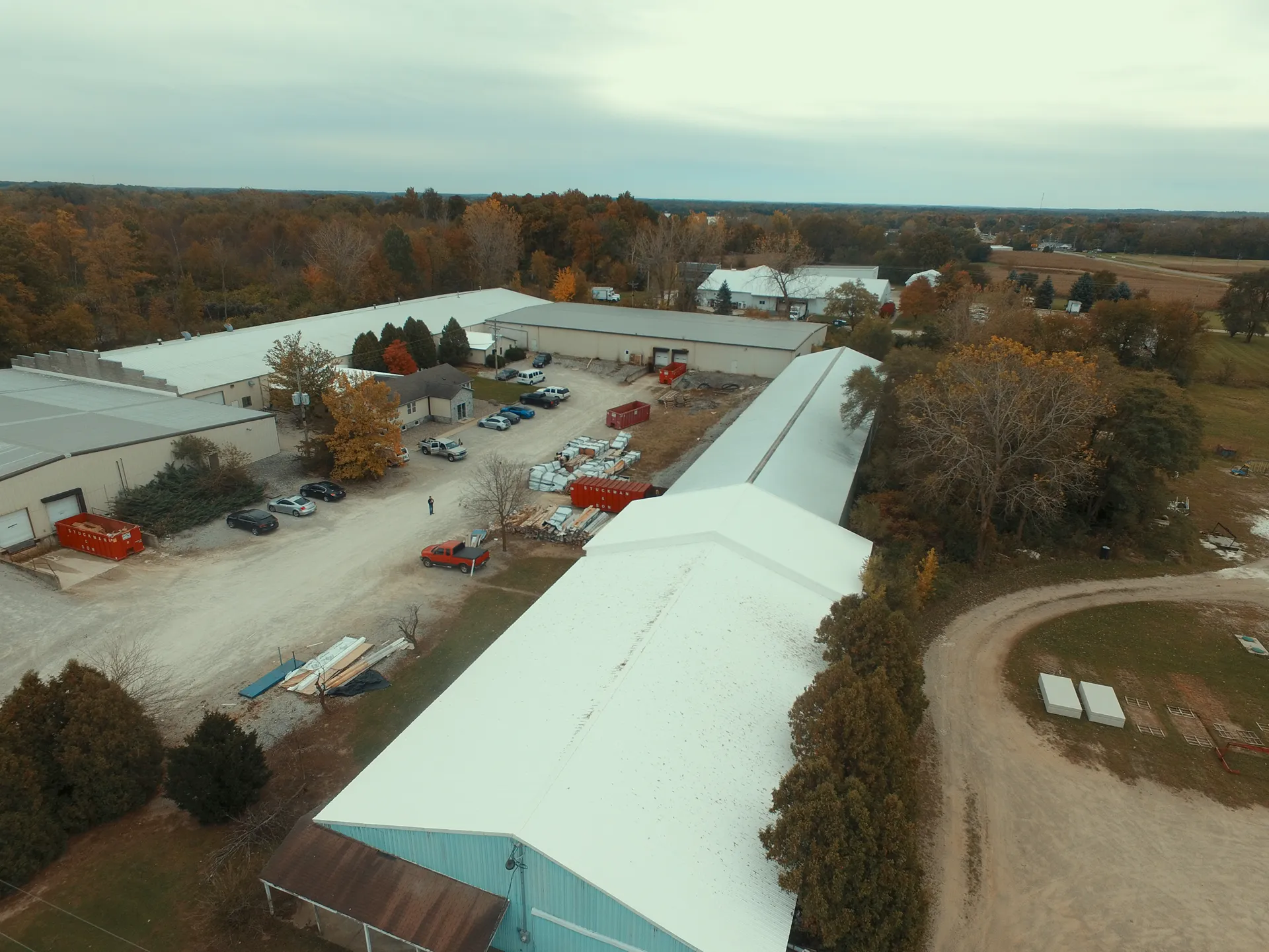
A commercial roof coating is a fluid-applied roofing material that is installed directly over an existing commercial roof system. Once cured, it forms a seamless, waterproof membrane designed to protect the roof from moisture intrusion, ultraviolet (UV) damage, and weather exposure.
Roof coatings are commonly used to:
- Extend the life of an existing commercial roof
- Improve waterproofing and leak resistance
- Reduce heat absorption and improve energy efficiency
- Restore the appearance of aging roofing systems
Unlike traditional roof replacements, coatings typically do not require a full tear-off, which reduces cost, waste, and disruption to daily operations.
Types of Commercial Roof Coatings
There is no one-size-fits-all roof coating. The best option depends on roof slope, climate, foot traffic, and whether ponding water is present. Below are the most commonly used commercial roof coating systems and how they perform in real-world conditions.
Acrylic Roof Coatings
Acrylic roof coatings are water-based coatings made from acrylic resins. They are known for their reflectivity and are available in white, gray, tan, and even custom colors.
Because of their elastomeric nature, acrylic coatings expand and contract with temperature changes, creating a flexible and seamless protective layer. Their reflective surface helps reduce heat gain, making them popular in areas with high sun exposure.
Acrylic coatings perform best on sloped roofs and metal roofing systems, but they are not ideal for areas with prolonged standing water. In cold or wet conditions, acrylic coatings can struggle to cure properly, which limits their use in some environments.
Silicone Roof Coatings
Silicone roof coatings are made from silicone polymers and are widely used on flat and low-slope commercial roofs. Like acrylic coatings, silicone coatings offer excellent UV resistance and high reflectivity, helping reduce cooling costs during warmer months.
One of silicone’s biggest advantages is its ability to withstand ponding water, making it a strong choice for roofs where drainage is limited. Silicone remains flexible in both hot and cold temperatures, allowing it to adapt to seasonal changes without cracking.
However, silicone coatings can attract dirt over time, which may reduce reflectivity if not maintained. They can also be slippery when wet, which is an important consideration for roofs with frequent foot traffic.
Polyurethane Roof Coatings
Polyurethane coatings are known for their durability and impact resistance. They perform exceptionally well in environments where roofs experience heavy foot traffic or hail exposure.
There are two main types of polyurethane coatings: aromatic and aliphatic. Aromatic polyurethane is often used as a base coat due to its strength, while aliphatic polyurethane is more UV-stable and commonly used as a topcoat.
Although polyurethane coatings handle ponding water better than acrylic systems, they are less UV-resistant unless paired with a silicone or aliphatic top layer. They also emit stronger odors during installation, which may require planning for occupied buildings.
Benefits of Commercial Roof Coatings
Commercial roof coatings are often chosen because they provide meaningful protection and cost savings without the complexity of replacement. Below are the most important benefits building owners should understand.
Superior Leak Protection
Roof leaks are often caused by aging materials, failed seams, penetrations, flashing issues, or poor drainage. Left unresolved, leaks can damage insulation, electrical systems, interior finishes, and structural components.
A properly installed roof coating creates a seamless barrier that helps prevent water intrusion and protects vulnerable areas from future damage. This added waterproofing can significantly reduce the risk of interior leaks and moisture-related hazards.
Improved Energy Efficiency
Many commercial roof coatings are highly reflective, meaning they reflect sunlight rather than absorbing heat. This reduces roof surface temperatures and helps keep buildings cooler during warmer months.
Improved thermal performance often results in lower cooling costs and more consistent interior temperatures, which benefits employees, tenants, and equipment.
Minimal Disruption During Installation
Unlike roof replacements, coating installations are typically fast and quiet. In most cases, businesses can remain fully operational during the process.
Because coatings are applied directly over the existing roof, there is no need for tear-off, heavy equipment, or extended downtime. Labor costs are also generally lower compared to replacement projects.
Sustainability and Environmental Benefits
Commercial roof coatings are considered a sustainable roofing solution. By extending the life of an existing roof, coatings reduce the amount of roofing material sent to landfills.
Many modern coatings are formulated with low or zero VOCs, contributing to improved air quality. Combined with energy savings, roof coatings can significantly reduce a building’s environmental footprint.
Cost-Effective Alternative to Roof Replacement
One of the biggest advantages of roof coatings is cost. While pricing varies based on roof size, condition, coating type, and labor requirements, coatings are almost always less expensive than full replacement.
Coatings can also be reapplied periodically, allowing building owners to maintain roof performance over time without the cost of repeated replacements.
Commercial roof coatings can be applied to many roofing systems, including metal, single-ply membranes, built-up roofs, spray-applied systems, and modified bitumen.
Is a Commercial Roof Coating Right for Your Building?
Not every roof is a good candidate for coatings. The existing roof must be structurally sound and free of severe moisture saturation. A professional inspection is essential to determine whether a coating system will perform as intended.
When installed on the right roof, coatings offer an excellent balance of performance, cost savings, and longevity.
Schedule a Commercial Roof Inspection With Tri-County Commercial Roofing
If you are considering a commercial roof coating for your building, a professional evaluation is the first step. At Tri-County Commercial Roofing, our experienced contractors inspect your roof thoroughly and recommend the most appropriate solution based on its condition, use, and long-term goals.
Contact Tri-County Commercial Roofing today to schedule a commercial roof inspection and learn whether a roof coating system is the right fit for your facility.