
For many property owners, the roof is one of the most overlooked components of a building—until something goes wrong. Yet the roofing system plays a critical role in protecting occupants, equipment, and long-term property value. This is especially true for flat and low-slope roofs, where material choice directly impacts durability, energy efficiency, and maintenance costs.
One of the most widely used flat roofing systems today is EPDM roofing. In this guide, we’ll explain what EPDM roofing is, why it has remained popular for decades, and the real-world advantages and limitations property owners should consider before choosing it.
EPDM Roofing Product Overview
EPDM (Ethylene Propylene Diene Monomer) is a synthetic rubber membrane engineered to withstand extreme weather conditions. Its flexibility, durability, and resistance to environmental stressors make it a common choice for both commercial and residential flat roofs.
EPDM roofing is manufactured in large sheets of rubber membrane that are installed over the roof deck using methods such as full adhesion, mechanical attachment, or ballasting. Once installed correctly, EPDM forms a continuous waterproof barrier that helps protect buildings from leaks, temperature extremes, and long-term deterioration.
EPDM membranes are typically available in thicknesses ranging from 45 mil to 90 mil, with 60 mil being a common choice for commercial buildings. The membrane sheets are produced in wide rolls—often between 7.5 and 50 feet—which reduces the number of seams and speeds up installation on large roof surfaces.
Because installation method and membrane thickness affect performance, professional evaluation is essential when selecting an EPDM system for a specific building and climate.
Advantages of EPDM Roofing Systems
EPDM has remained one of the most installed flat roofing systems for good reason. When properly installed and maintained, it offers several long-term benefits for commercial property owners.
Durability and Weather Resistance
One of EPDM’s strongest advantages is its durability. The rubber membrane remains flexible in both hot and cold temperatures, allowing it to expand and contract without cracking. This makes EPDM well suited for regions with significant seasonal temperature changes.
EPDM is highly resistant to UV radiation, hail, wind, and moisture. It is also less prone to blistering, peeling, or splitting compared to many traditional roofing materials. With proper installation and routine inspections, EPDM roofing systems often last 30–50 years.
Low Maintenance Requirements
Compared to many roofing systems, EPDM requires relatively minimal maintenance. Its single-ply design reduces the number of seams that could potentially fail, and the material itself resists many common causes of roof deterioration.
Routine inspections and occasional repairs are usually sufficient to keep an EPDM roof performing well. This low-maintenance profile makes it an attractive option for property owners looking to control long-term operating costs.
Energy Performance and Thermal Stability
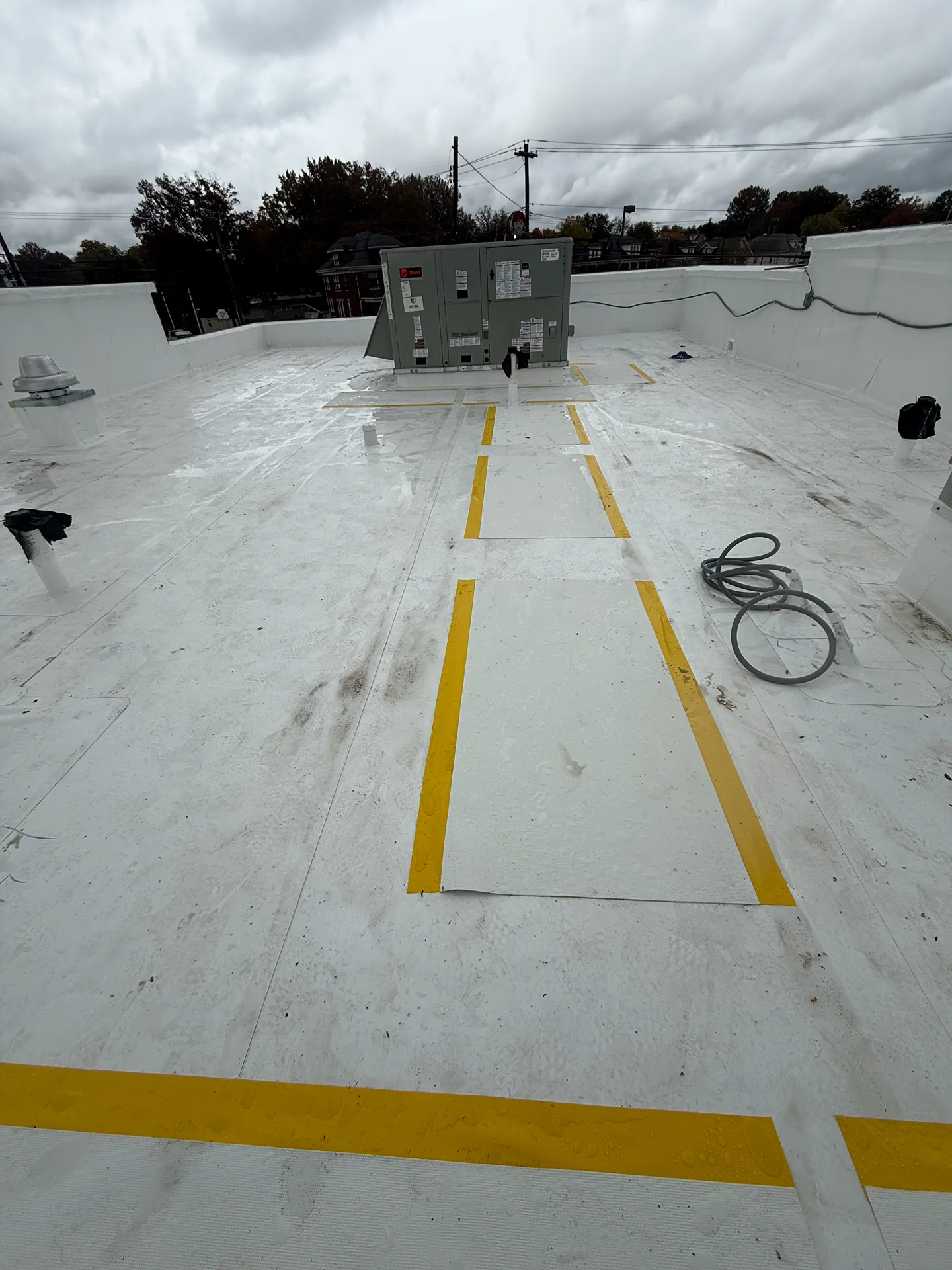
EPDM provides consistent thermal performance throughout the year. While traditionally black EPDM absorbs heat, it helps stabilize roof temperatures and reduce thermal shock to the building structure. White EPDM options are also available for facilities seeking increased solar reflectivity.
When paired with proper insulation, EPDM roofing systems can contribute to lower heating and cooling costs by maintaining more stable interior temperatures.
Environmental Considerations
EPDM is considered a relatively environmentally responsible roofing option. The material is durable, recyclable, and produces less installation waste compared to multi-layer systems. Its long lifespan also reduces the frequency of roof replacements, helping limit landfill waste over time.
Cost-Effectiveness
EPDM is generally more affordable than many premium roofing materials such as metal or tile. Installation is straightforward for trained professionals, and the long service life combined with low maintenance requirements often results in strong long-term value.
Limitations and Considerations of EPDM Roofing
While EPDM offers many advantages, it is not the right solution for every building. Understanding its limitations helps property owners make informed decisions.
EPDM is best suited for flat or low-slope roofs and is not recommended for steep-slope applications. The material is typically available in limited color options, which may be a concern for buildings where aesthetics are a priority.
Additionally, EPDM can be damaged by prolonged exposure to certain petroleum-based products or chemicals. Installation also requires specialized expertise—improper installation can lead to seam issues or membrane failure, underscoring the importance of working with experienced commercial roofing contractors.
Is EPDM the Right Roofing System for Your Building?
EPDM roofing systems offer a strong balance of durability, flexibility, affordability, and long-term performance. They are particularly well suited for large commercial buildings, warehouses, and facilities with flat or low-slope roofs.
However, roof design, building use, climate conditions, and exposure risks all influence whether EPDM is the best choice. A professional inspection and consultation help ensure the roofing system selected aligns with your building’s needs and long-term goals.
Work With Trusted EPDM Roofing Professionals
At Tri-County Commercial Roofing, we help property owners evaluate EPDM roofing systems honestly and accurately. Our team provides professional inspections, installation, repair, and long-term maintenance solutions tailored to your facility.
If you’re considering EPDM roofing—or need service on an existing EPDM system—contact Tri-County Commercial Roofing to schedule a consultation and expert assessment.