
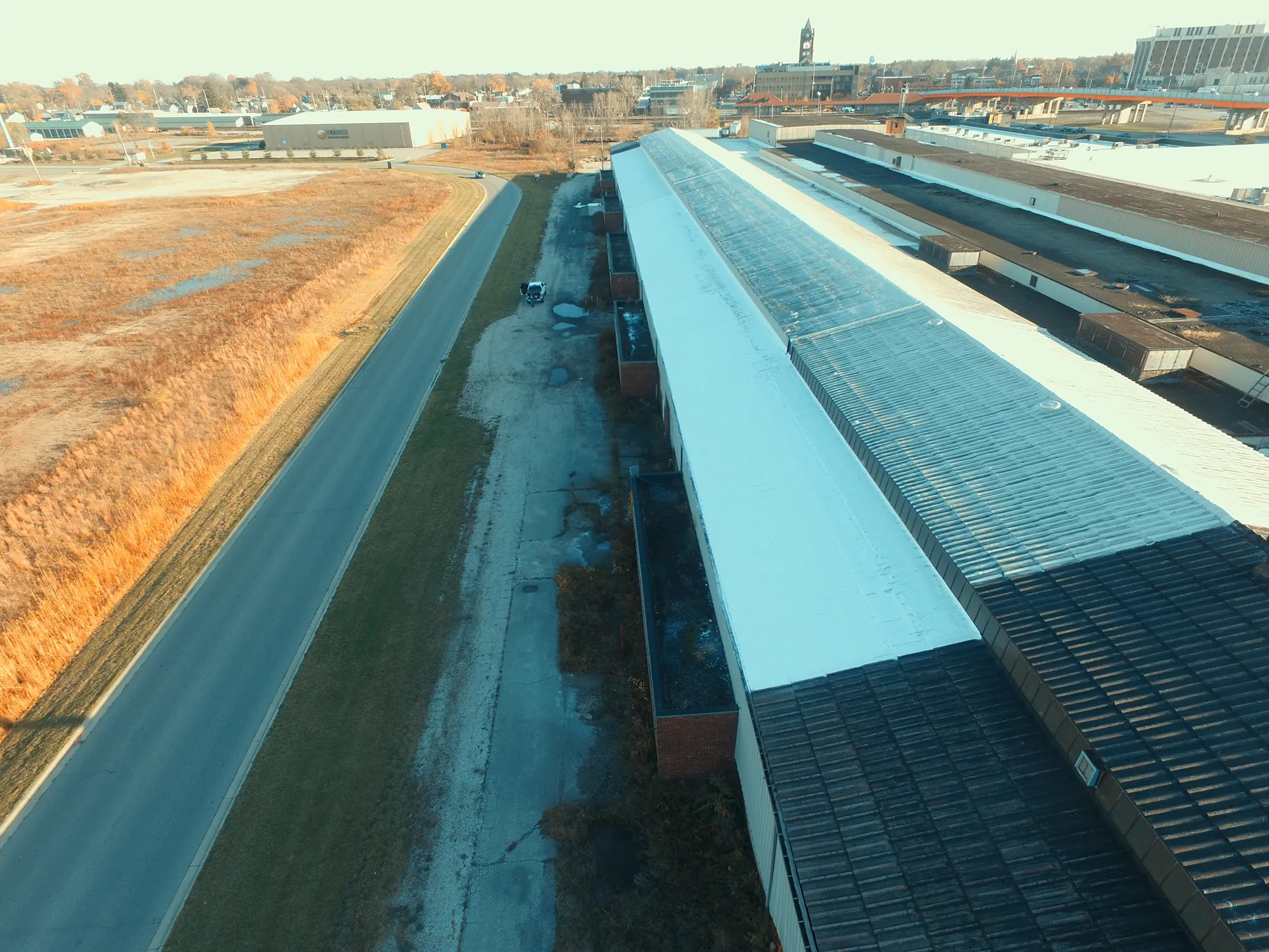
A well-maintained commercial roof can protect your building for decades. Unfortunately, many business owners rarely think about their roofing system until it requires a major repair or full replacement. By that point, small and manageable issues have often grown into costly problems.
Neglecting routine commercial roof maintenance increases the risk of leaks, insulation damage, energy loss, and structural deterioration. The good news is that with the right maintenance approach, many commercial roofs can significantly outlast their expected service life.
In this guide, the roofing professionals at Tri-County Commercial Roofing share practical, preventative maintenance strategies that help extend the lifespan of commercial roofing systems and maximize long-term performance.
Start by Choosing the Right Commercial Roofing Material
One of the most effective ways to reduce long-term maintenance issues begins before the roof is ever installed. Every roofing material has a different lifespan, maintenance requirement, and performance profile.
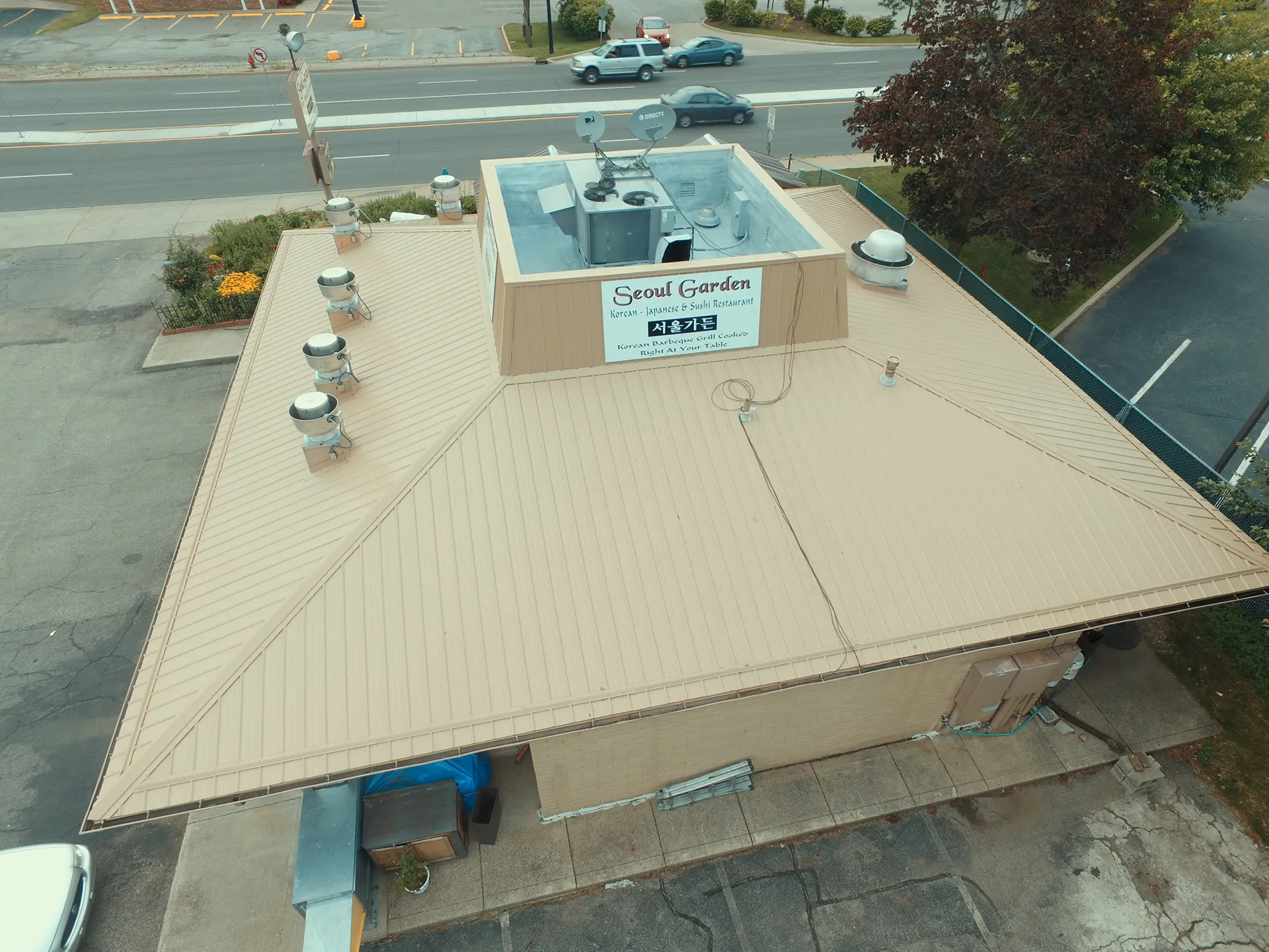
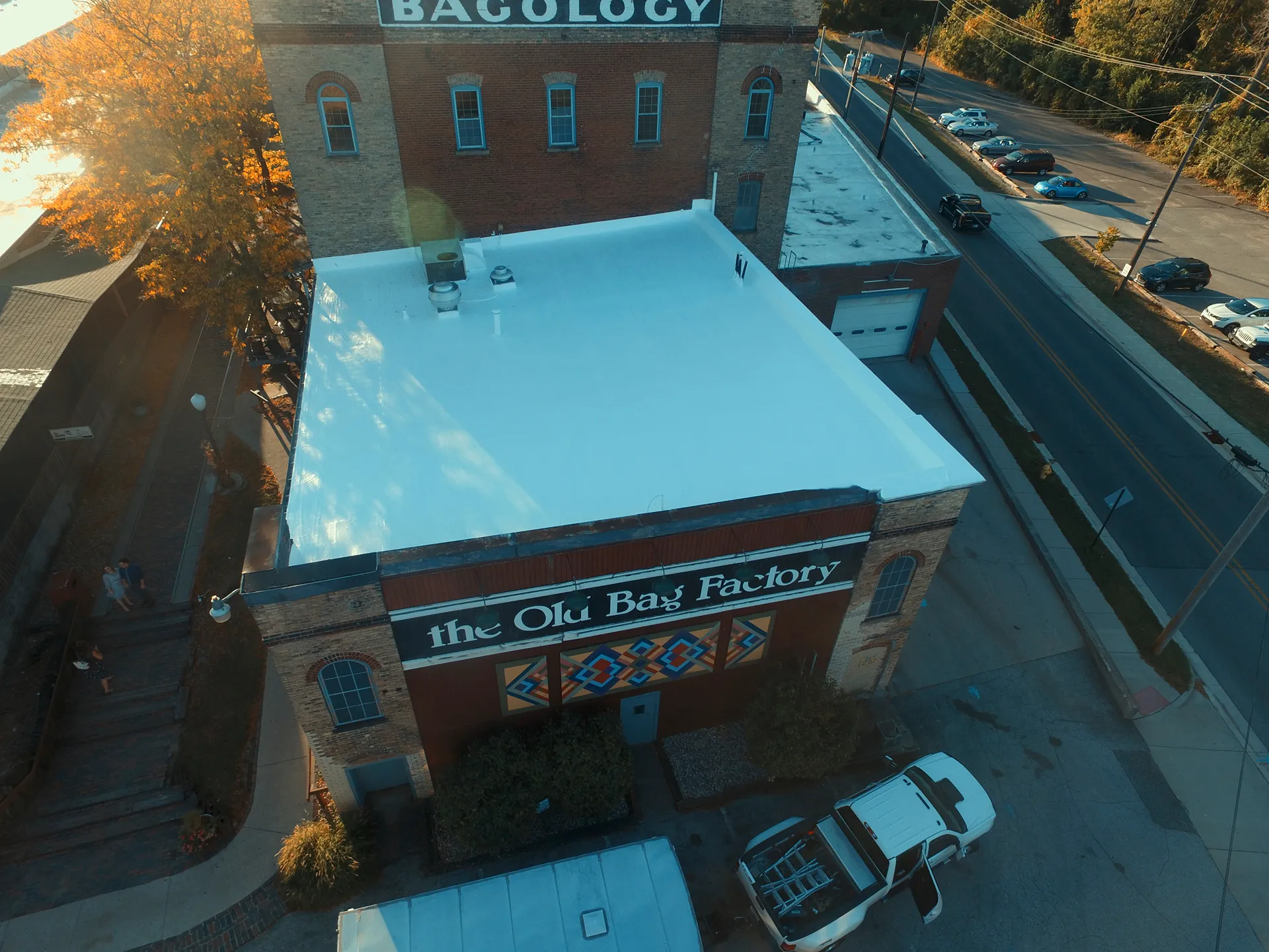
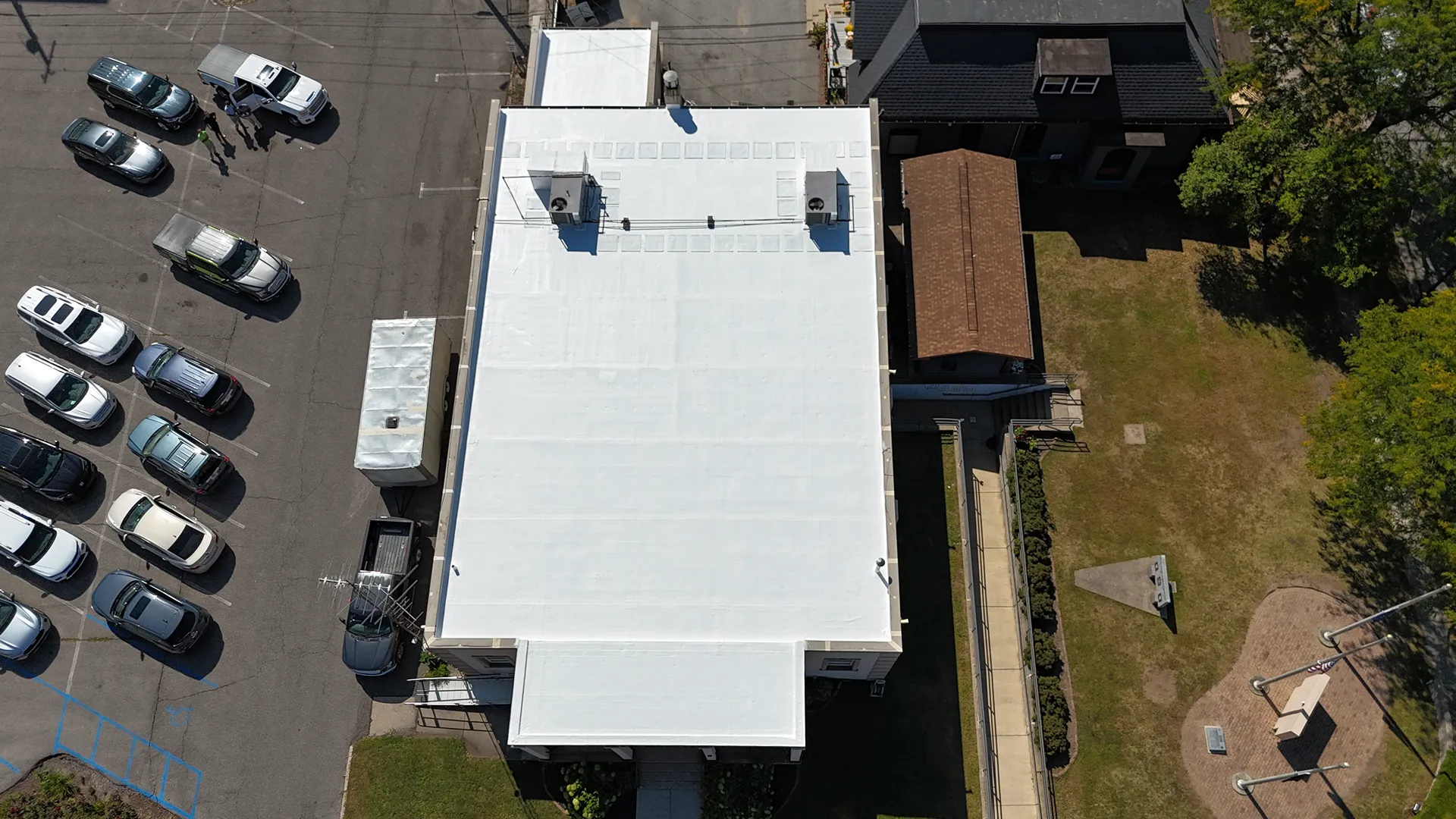
Metal roofing is widely chosen for its durability, low maintenance needs, and energy efficiency. With proper care, metal roofing systems can last 40–50 years or more. EPDM rubber roofing is another long-lasting option, known for its flexibility, ease of installation, and resistance to weather extremes. Built-up roofing remains popular due to affordability, but it requires more frequent inspections and maintenance. TPO and modified bitumen systems offer a balance between cost and performance, while polyurethane spray foam stands out for its insulation value and energy savings.
Selecting a roofing system that matches your building’s use, climate exposure, and maintenance capabilities sets the foundation for long-term success.
Inspect Your Commercial Roof on a Routine Schedule
Even the best roofing systems require regular inspections. Most commercial roofs should be inspected at least twice per year—typically in the spring and fall—as well as after major weather events.
Routine inspections help identify early signs of wear such as damaged flashing, membrane separation, punctures, clogged drains, or moisture intrusion. Catching these issues early allows for targeted repairs before they escalate into larger failures that compromise the entire roof system.
Keep Gutters and Drainage Systems Clear
Proper drainage is critical to roof performance. When gutters, downspouts, or roof drains become clogged with debris, water can back up and pool on the roof surface.
Standing water accelerates membrane deterioration, increases leak risk, and adds unnecessary structural load. Cleaning drainage systems at least twice per year—and more frequently if trees surround the building—helps prevent ponding and premature roof failure.
Address Leaks and Moisture Immediately
Any sign of moisture inside your facility should be taken seriously. Water stains, mold growth, damp insulation, or unexplained odors often indicate a roofing issue that requires prompt attention.
Even small leaks can lead to insulation saturation, electrical hazards, mold development, and structural damage if ignored. Early intervention is almost always less expensive than delayed repairs.
Manage Vegetation and Overhanging Trees
Trees near a commercial building can create roofing problems if not properly maintained. Overhanging branches can damage roofing materials, clog drainage systems, and deposit debris that traps moisture.
Regular trimming reduces the risk of punctures, blocked gutters, and accelerated wear caused by organic buildup on the roof surface.
Ensure Insulation Is Properly Installed and Maintained
Insulation plays a critical role in roof performance and energy efficiency. Poor insulation allows heat to escape, which can lead to condensation issues and ice dam formation during winter months.
Regular inspections should include checking insulation condition and placement. Proper insulation helps stabilize interior temperatures, reduce energy costs, and protect roofing materials from temperature-related stress.
Limit Foot Traffic on the Roof
Unnecessary foot traffic is a common cause of membrane damage and punctures. Commercial roofs are not designed for routine walking unless specifically engineered for it.
Whenever inspections or equipment servicing is required, trained professionals should handle roof access to minimize damage and ensure safety.
Address Small Roofing Issues Before They Escalate
Minor issues such as loose flashing, small punctures, or early seam separation may seem insignificant at first. However, these problems rarely resolve on their own.
Prompt repairs prevent moisture intrusion and help preserve the integrity of the roofing system. Delaying action often leads to more extensive damage and higher repair costs.
Develop a Comprehensive Commercial Roof Maintenance Plan
A structured maintenance plan is one of the most effective tools for extending roof life. This plan should include scheduled inspections, routine cleaning, documentation of repairs, and clear procedures for responding to weather-related events.
Working with a professional commercial roofing contractor helps ensure maintenance is consistent, thorough, and properly documented.
Prepare for Snow and Ice Management
In regions that experience heavy snowfall, roof snow loads can become a serious concern. Excessive accumulation increases stress on the roofing system and may lead to leaks or structural damage.
Developing a snow removal plan—and knowing when professional removal is necessary—helps protect the roof during winter months.
Consider Roof Coatings as a Preventative Solution
Roof coatings add an extra layer of protection that enhances waterproofing, UV resistance, and overall durability. When applied to a structurally sound roof, coatings can significantly extend service life and improve energy efficiency.
A professional inspection is required to determine whether your roof is a good candidate for a coating system.
Key Takeaway for Commercial Property Owners
Proactive commercial roof maintenance is one of the smartest investments a building owner can make. Routine inspections, timely repairs, proper drainage, and long-term planning help prevent costly emergencies and extend the lifespan of your roofing system.
If you have questions about maintaining or extending the life of your commercial roof, work with a trusted professional contractor like Tri-County Commercial Roofing. Our team provides inspections, maintenance planning, and long-term solutions designed to protect your building and your budget.