
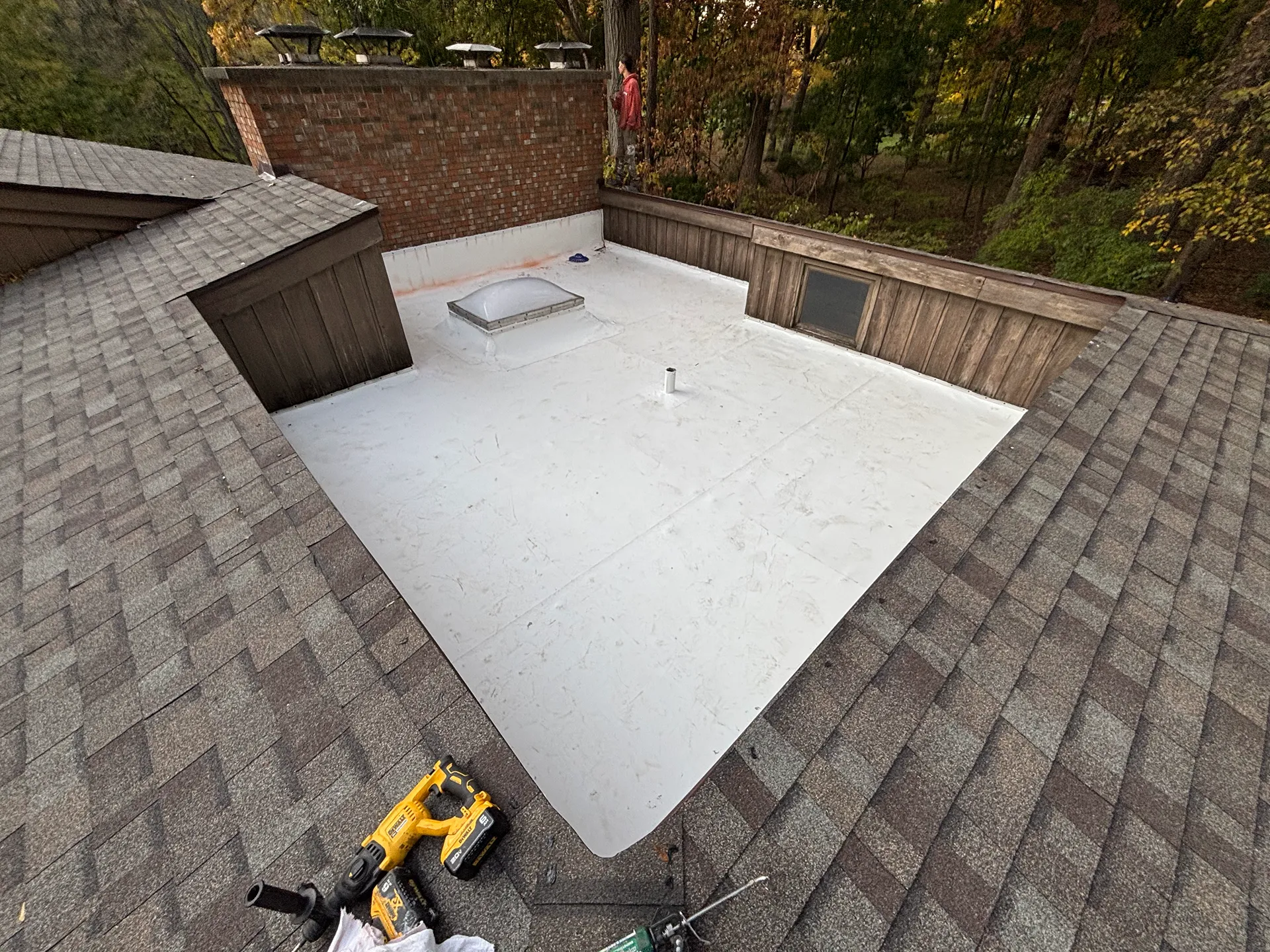
A commercial roofing system does far more than shield your Mishawaka, IN, building from rain, snow, and wind. It plays a critical role in protecting the value of your property, maintaining energy efficiency, and preserving the safety of everyone inside the facility.
Unfortunately, many business owners don’t think about their roof until a major problem occurs—often after a severe storm, hail event, or sudden leak. By that point, minor issues may have already escalated into expensive repairs or operational disruptions.
A proactive approach to commercial roofing can significantly reduce long-term costs and help prevent unexpected downtime. This guide explains what commercial roofing services involve and how professional contractors support commercial properties throughout Mishawaka.
Commercial Roof Installation in Mishawaka, IN
Commercial roof installation is a detailed, multi-step process that requires careful planning, technical expertise, and an understanding of how different roofing systems perform over time. A successful installation starts long before materials are delivered to the job site.
An experienced commercial roofing contractor works closely with building owners to select the right roofing system based on budget, building use, foot traffic, and long-term performance goals.
The Commercial Roof Installation Process
While every project is unique, most professional commercial roof installations follow a similar process designed to ensure durability, safety, and long-term performance.
Inspection and Roof Assessment
The first step in any commercial roofing project is a thorough inspection. If the project involves replacing an existing roof, the contractor evaluates the current system to determine whether a full tear-off is required or if the new system can be installed over the existing roof.
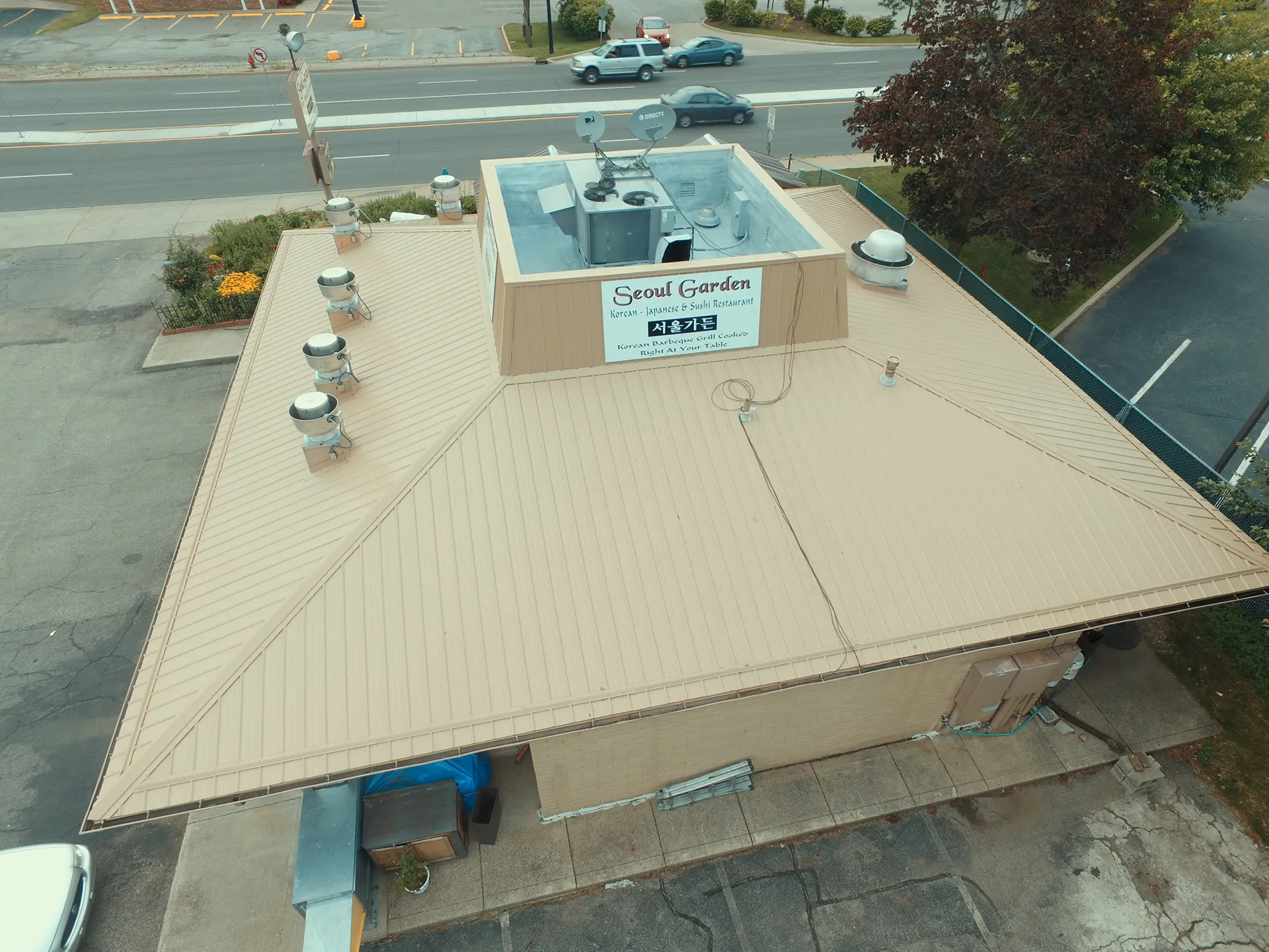
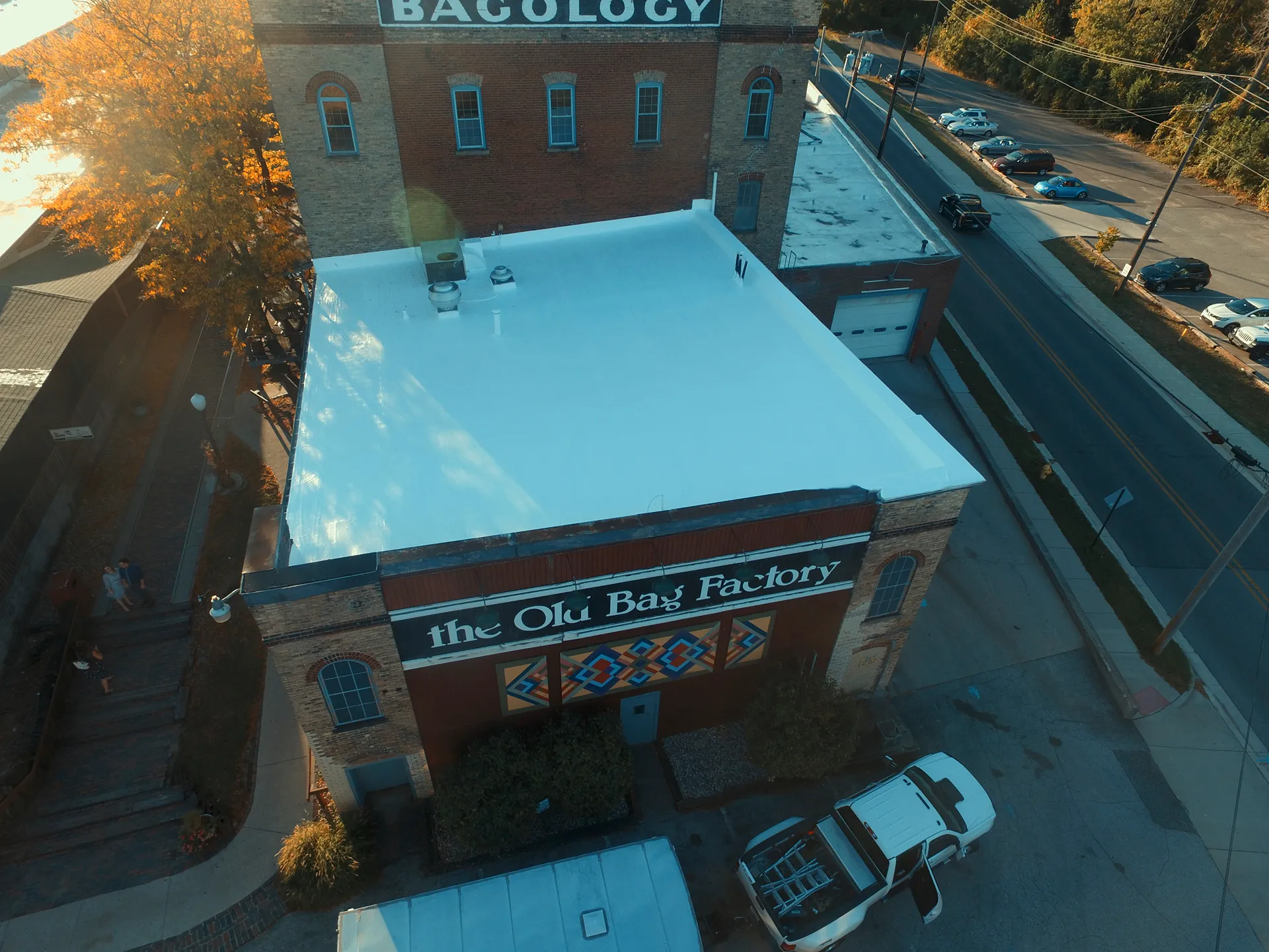
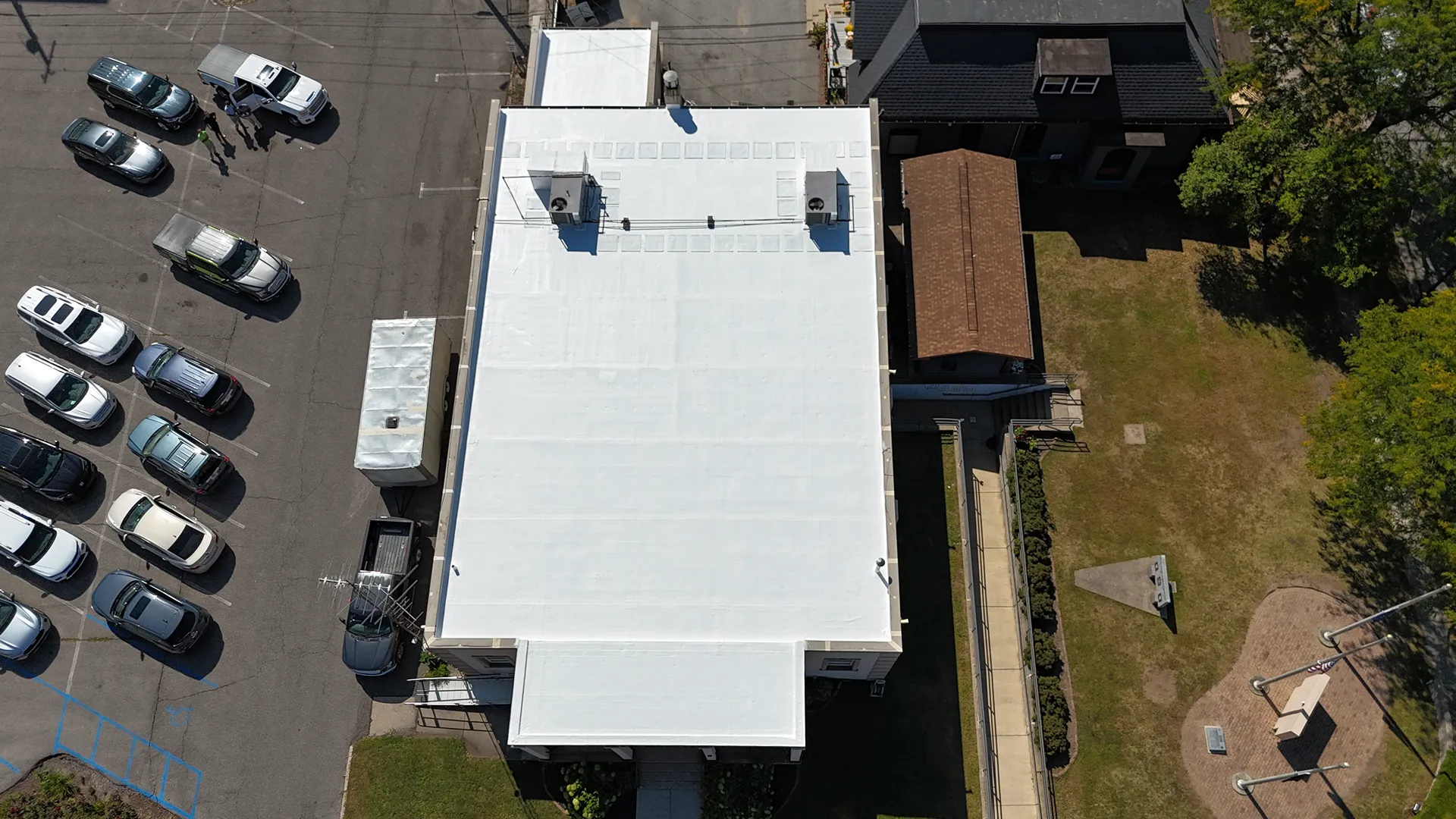
For new construction, the inspection phase focuses on understanding building design, intended use, and performance expectations. During this phase, contractors help owners compare roofing systems such as metal roofing, thermoplastic membranes (PVC and TPO), built-up roofing, modified bitumen, EPDM membranes, and polyurethane spray foam.
Each material offers different advantages. Metal roofing is often chosen for its durability and long service life, sometimes exceeding 40 years when properly maintained. Modified bitumen provides strong stability for roofs with foot traffic, while thermoplastic membranes offer resistance to chemicals and UV exposure. Polyurethane spray foam is frequently selected for its affordability and high insulating value, making it attractive for energy-conscious property owners.
Removal of the Existing Roofing System
Once the roofing material is selected, the contractor determines whether the existing roof must be removed. In many cases, aging or damaged roofing materials need to be fully torn off to ensure the new system performs properly.
During this phase, old roofing materials are safely removed and disposed of according to regulations. In limited situations, a new roofing system may be installed over an existing roof if the structure is sound and compatible with the new material.
Preparing the Roof Deck
After removal, the roof deck is inspected and prepared. This step is critical for long-term performance. Any damaged decking, rotted wood, or compromised metal components are replaced to create a stable foundation.
The deck is then cleaned, leveled, and prepared to receive the new roofing system. Skipping or rushing this step often leads to premature roof failure, which is why experienced contractors place heavy emphasis on proper deck preparation.
Installing the New Roofing System
Once the deck is ready, installation begins. Each roofing material follows a specific installation method, whether it involves membranes, panels, coatings, or spray-applied systems.
This phase typically includes installing underlayment, securing the roofing material, sealing seams, and installing flashing around penetrations such as vents, drains, and HVAC units. Proper flashing and sealing are essential to ensuring the roof remains watertight and durable under Mishawaka’s seasonal weather conditions.
Final Inspection and Cleanup
After installation, the roofing team conducts a final inspection to confirm the system was installed correctly and meets performance standards. Building owners are often invited to review the completed work and ask questions about maintenance or warranty coverage.
Once approved, all debris is removed, and the job site is cleaned thoroughly. A professional roofing contractor leaves the property safe, clean, and ready for normal operations.
Why Professional Commercial Roofing Services Matter
Commercial roofing systems are complex and require specialized expertise. Poor installation or improper material selection can lead to leaks, energy loss, and costly repairs down the road.
Working with experienced commercial roofing contractors helps ensure:
- Proper material selection for your building
- Code-compliant installation
- Reduced long-term maintenance costs
- Improved energy efficiency
- Reliable protection for your facility
Trusted Commercial Roofing Contractors in Mishawaka, IN
At Tri-County Commercial Roofing, we provide dependable commercial roofing services to businesses throughout Mishawaka and the surrounding region. Our licensed and experienced contractors focus on quality workmanship, clear communication, and long-term solutions—not short-term fixes.
If you’re planning a commercial roof installation, replacement, or inspection in Mishawaka, contact Tri-County Commercial Roofing to schedule a consultation with our team.