
Flat roofs offer major advantages for commercial and industrial buildings. They’re cost-effective to build, easier to maintain, and ideal for rooftop equipment or solar installations. But to fully benefit from a flat roofing system, proper protection is essential.
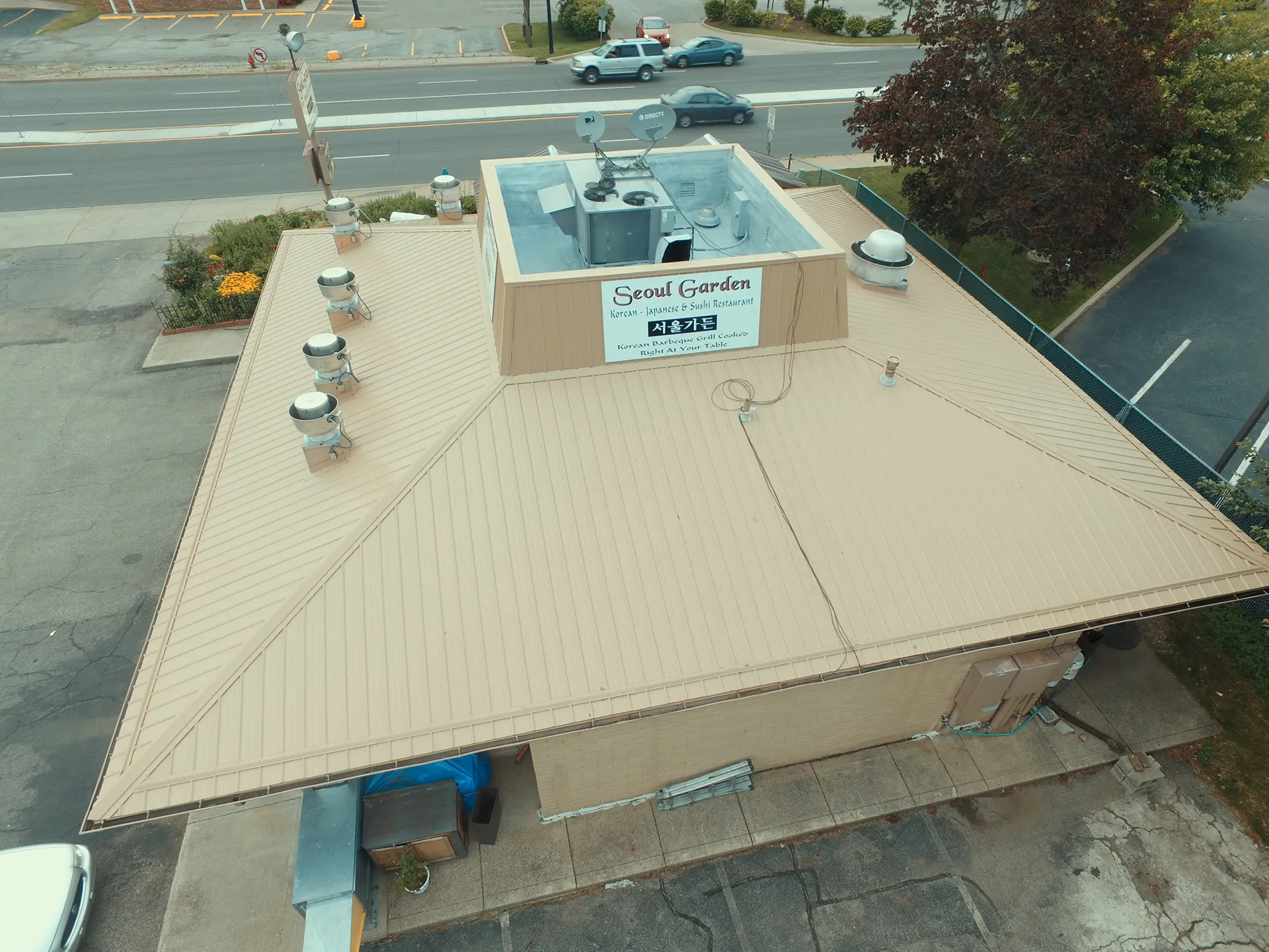
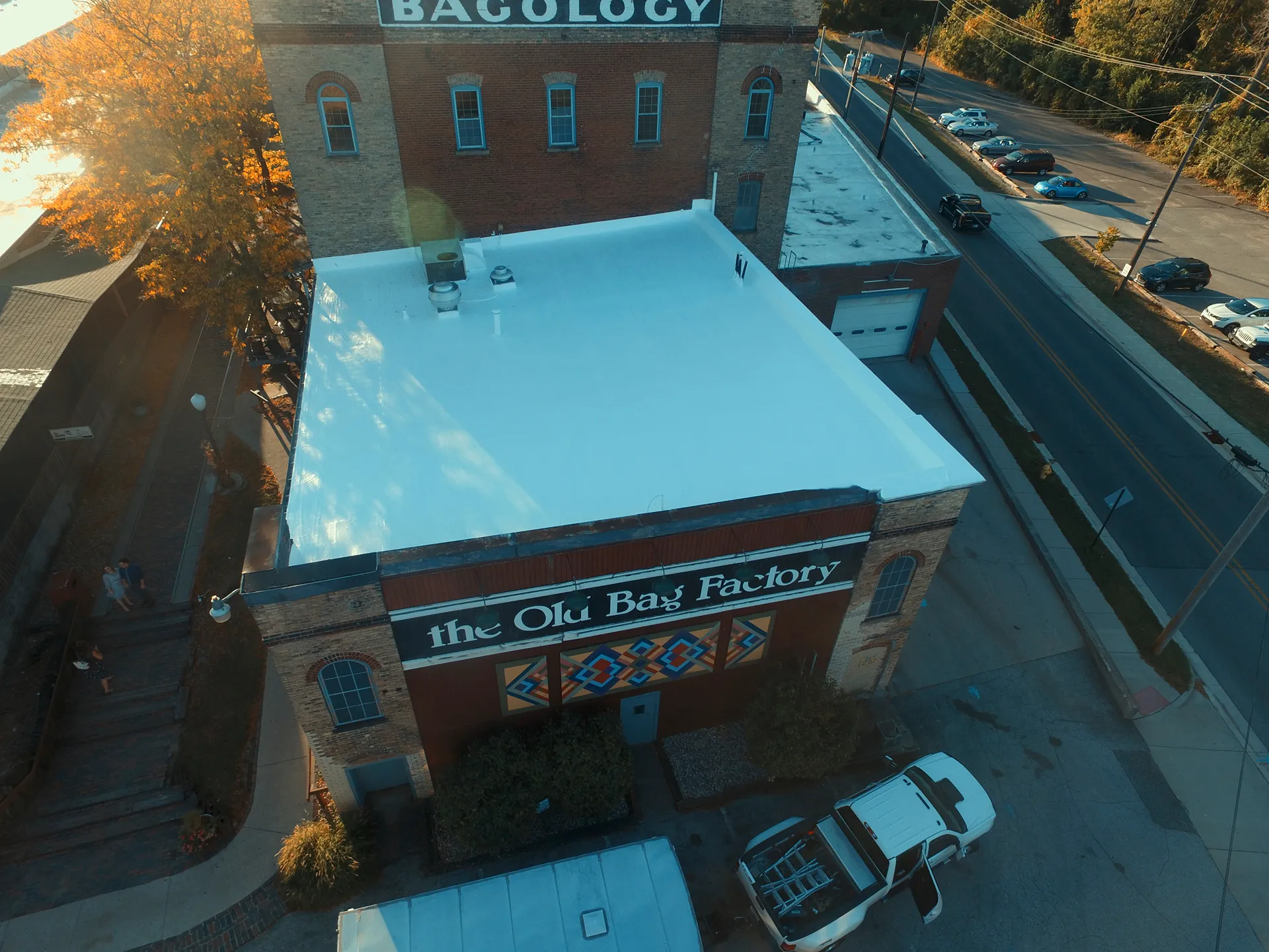
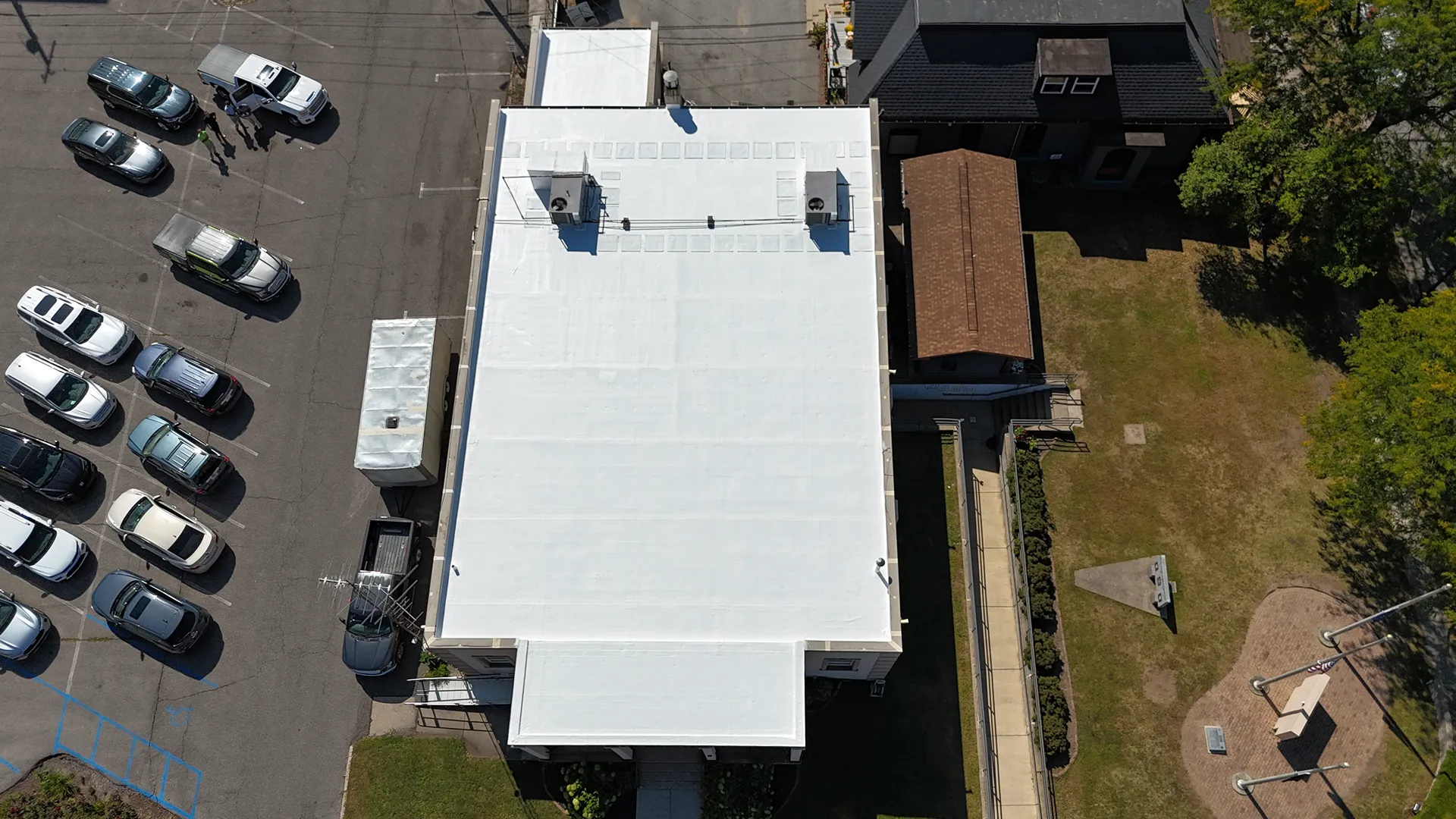
One of the most effective ways to protect and extend the life of a flat roof is through professional roof coating systems. Roof coatings create a seamless protective layer that improves durability, energy efficiency, and weather resistance.
Below, the experts at Tri-County Commercial Roofing break down the most common flat roof coating options to help you make an informed decision.
Are Flat Roof Coatings Worth It?
For many property owners, roof coatings are one of the highest-ROI roofing investments available. When applied correctly, coatings can delay replacement, reduce energy costs, and protect against leaks.
Here’s why flat roof coatings are often worth the investment:
Improved Weather Resistance
Roof coatings form a continuous, waterproof membrane over your flat roof. This layer protects against rain, snow, standing water, and wind-driven moisture.
Most coatings are also highly resistant to ultraviolet (UV) exposure, which is one of the primary causes of flat roof deterioration over time.
Increased Energy Efficiency
Many flat roof coatings are designed to reflect sunlight rather than absorb it. This reflective quality reduces heat buildup on the roof surface and helps maintain cooler interior temperatures.
As a result, buildings often experience lower cooling demands during warmer months—reducing energy consumption and HVAC strain.
Extended Roof Lifespan
By shielding the roof from moisture, UV damage, and minor physical wear, coatings can significantly extend the service life of an existing flat roof.
Instead of replacing a roof prematurely, many property owners use coatings to add years—or even decades—of functional life to their roofing system.
Types of Flat Roof Coatings
Not all roof coatings are the same. Each type offers different benefits depending on roof condition, climate, budget, and building use.
Below are the most common flat roof coating options.
Silicone Roof Coatings
Silicone coatings are known for their excellent water resistance and long-term UV stability. They create a highly durable, watertight membrane that performs well in areas with frequent rainfall or ponding water.
Silicone coatings also remain flexible in extreme temperature conditions, reducing the risk of cracking or splitting over time.
Best for: Roofs with standing water, high UV exposure, and minimal slope.
EPDM Roof Coatings
EPDM coatings are made from synthetic rubber and are valued for their durability and seamless application. Because they can be applied as a continuous membrane, EPDM coatings reduce weak points associated with seams and joints.
They offer strong resistance to UV radiation and weathering while requiring relatively low maintenance.
Best for: Flat and low-slope roofs needing long-term durability with minimal upkeep.
Polyurethane Roof Coatings
Polyurethane coatings provide excellent impact resistance and adhesion. They bond strongly to a wide range of roofing substrates and perform well in environments exposed to chemicals or mechanical wear.
These coatings are especially useful for industrial facilities where roof traffic or harsh conditions are common.
Best for: Industrial buildings, high-traffic roofs, and chemically exposed environments.
Acrylic Roof Coatings
Acrylic coatings are one of the most budget-friendly flat roof coating options. They are highly reflective, easy to apply, and cure quickly.
While acrylic coatings perform well in dry climates, they typically require proper drainage and maintenance to ensure long-term success.
Best for: Budget-conscious projects with good drainage and minimal standing water.
Bitumen Roof Coatings
Bitumen coatings, also known as asphalt-based coatings, are commonly used on built-up roofing systems. They offer reliable waterproofing, affordability, and compatibility with older roofing materials.
These coatings can add several years of service life when properly maintained.
Best for: Built-up roofs and property owners seeking cost-effective protection.
Choosing the Right Roof Coating for Your Flat Roof
Selecting the right roof coating depends on several factors, including roof condition, climate, drainage, building use, and long-term goals.
Each coating type has specific strengths—and the wrong choice can limit performance or longevity.
The experienced team at Tri-County Commercial Roofing provides professional evaluations to help property owners select the most effective commercial roof coating for their building. Serving Fort Wayne, South Bend, and surrounding areas, we help ensure your flat roof is protected, efficient, and built to last.