
A church roof does more than shelter a building. It protects a sacred space where people gather for worship, fellowship, and community. Over time, however, even the most well-built church roofs experience wear due to age, weather exposure, and structural stress.
When roof problems become recurring or widespread, repair alone may no longer be sufficient. In those cases, roof replacement provides a long-term solution—restoring safety, reliability, and peace of mind for church leaders and congregations alike.
This guide explains the church roof replacement process step by step, helping church administrators in South Bend, IN, understand what to expect and how to plan wisely.
Assessment and Project Planning
Every successful church roof replacement begins with a thorough assessment. Professional roofing contractors start by evaluating the existing roof system to determine its overall condition and identify problem areas.
During this phase, roofers inspect the surface materials, flashing, seams, drainage systems, and structural components beneath the roof. Any signs of water intrusion, deterioration, or structural weakness are documented. The contractor then prepares a detailed report outlining findings, recommended solutions, and preliminary cost expectations.
Planning also involves collaboration. Church leaders and contractors work together to define project goals, timelines, budget considerations, and operational needs—such as minimizing disruption to worship services or special events.
Selecting the Right Roofing Material for a Church Building
Once the assessment is complete and the project is approved, material selection becomes the next major step. Choosing the right roofing system is critical for balancing durability, cost, aesthetics, and long-term maintenance.
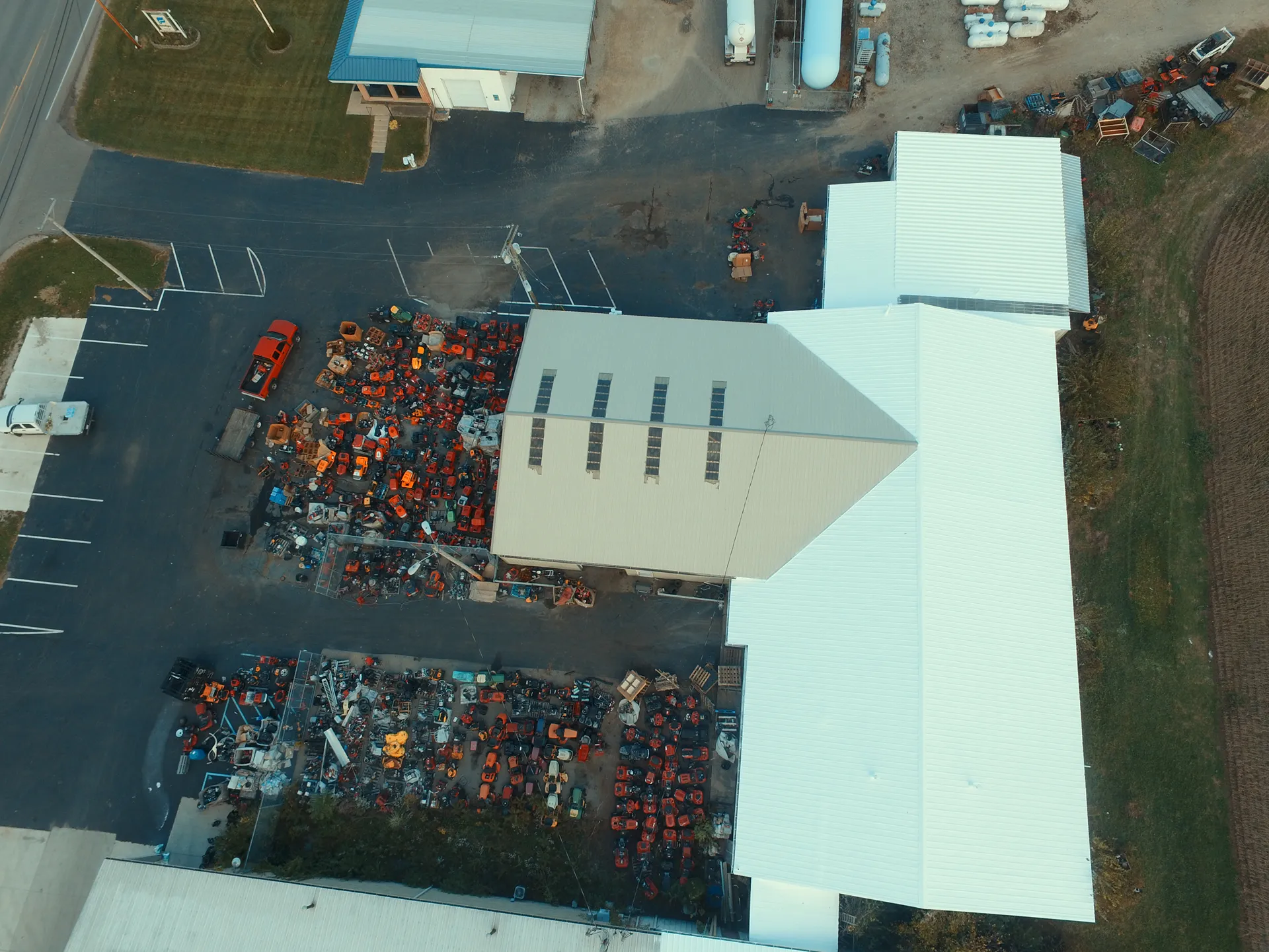
Church roofs come in many forms, and no single material fits every situation. Asphalt shingles are often recommended for steep-slope church roofs because they are cost-effective, versatile, and visually compatible with many architectural styles. Metal roofing is another popular option, valued for its long lifespan, resistance to fire and extreme weather, and low maintenance requirements. Materials such as steel, aluminum, copper, and zinc are commonly used.
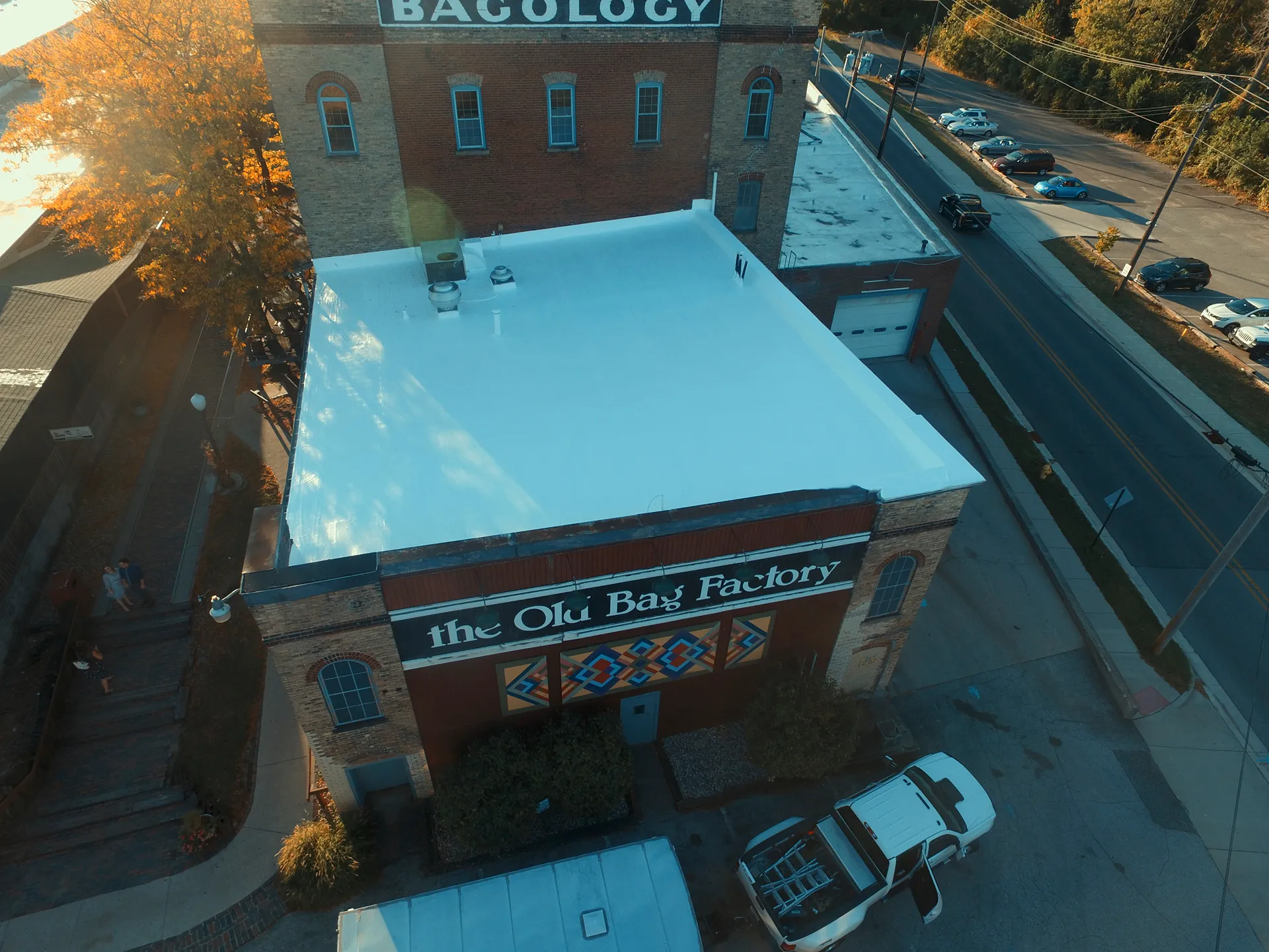
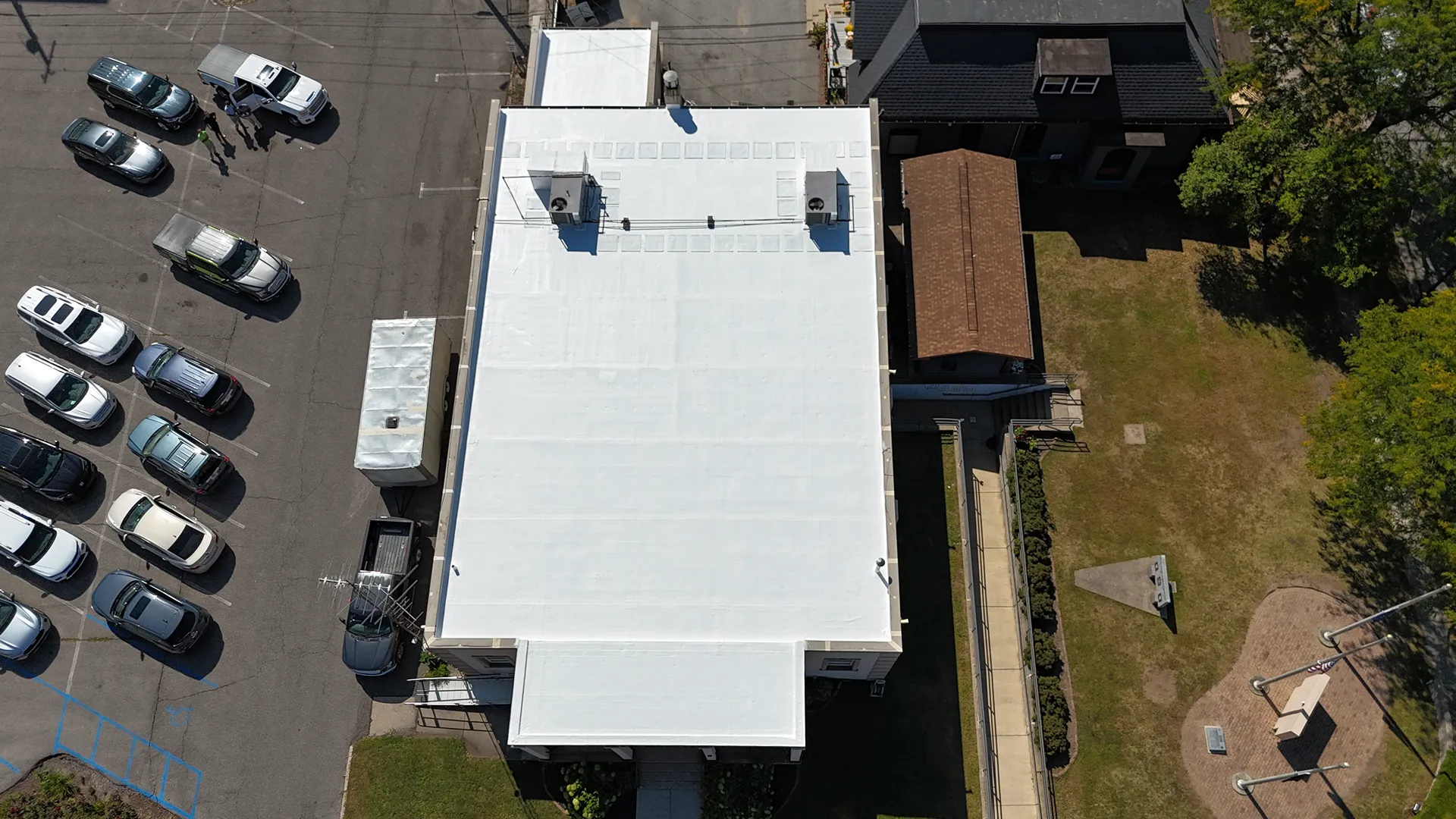
For churches with flat or low-slope roofs, single-ply membranes such as TPO, PVC, or EPDM may be appropriate. These systems offer strong waterproofing, energy efficiency, and durability when installed correctly. In historic or architecturally significant churches, slate roofing may also be considered for its timeless appearance and exceptional longevity.
Professional guidance during this stage ensures the chosen system aligns with the church’s structural needs, budget, and long-term stewardship goals.
Commercial Roof Installation
Commercial roof installation is required for new construction projects and for existing buildings where the current roof has reached the end of its service life. A professional installation begins with a comprehensive inspection to assess the condition of the existing system and determine whether replacement is necessary.
If replacement is recommended, the contractor works closely with the building owner to select the most appropriate roofing material based on building use, budget, energy goals, and expected foot traffic.
Common commercial roofing systems used in South Bend include metal roofing, built-up roofing membranes, modified bitumen, thermoplastic membranes such as TPO and PVC, EPDM rubber roofing, and polyurethane spray foam. Each material offers unique benefits. Metal roofing is known for its longevity and strength, EPDM performs well in temperature extremes, thermoplastic membranes resist chemicals and UV exposure, and spray foam provides excellent insulation value for energy-conscious facilities.
Choosing the right system ensures long-term performance and minimizes unexpected maintenance costs.
Permits, Approvals, and Code Compliance
Before any physical work begins, the roofing contractor obtains all required permits and approvals from local authorities in South Bend. This process ensures the project complies with local building codes, zoning requirements, and safety standards.
Experienced contractors manage this process on behalf of the church, coordinating inspections and addressing any regulatory requirements. In many cases, inspections are required at different stages of the project to confirm compliance with approved plans.
Proper permitting protects the church from liability issues and ensures the replacement meets all legal and safety standards.
Removing the Existing Roof and Preparing the Substrate
Once permits are approved, the replacement process begins with careful removal of the existing roofing materials. Contractors work methodically to protect the underlying structure and surrounding property.
Old roofing materials, flashing, and damaged components are removed and disposed of responsibly. After removal, the roof deck and supporting structure are inspected. Any rotted wood, damaged decking, or compromised materials are repaired or replaced to ensure the new roof has a solid foundation.
This step is essential for preventing future problems and maximizing the lifespan of the new roofing system.
Installing the New Church Roof
With the substrate prepared, installation of the new roofing system begins. The exact process varies depending on the material selected, but it typically includes installing underlayment, securing the roofing material, sealing seams and penetrations, and installing new flashing and drainage components.
Metal roofing systems may require additional structural components, while membrane systems involve precise sealing techniques to ensure a watertight finish. Throughout installation, contractors follow manufacturer specifications and industry best practices.
Once installation is complete, a final inspection is conducted to verify workmanship, ensure compliance, and confirm that the roof meets performance expectations. The site is then cleaned and prepared for normal use.
Why Professional Church Roof Replacement Matters
Church roof replacement is a significant investment, both financially and symbolically. Professional planning and execution help ensure the roof protects the congregation for decades to come.
Working with experienced commercial roofing contractors reduces risk, improves long-term performance, and ensures the project respects the operational and spiritual needs of the church community.
Trusted Commercial Roofing Contractors in South Bend, IN
At Tri-County Commercial Roofing, we provide reliable commercial roofing services to businesses throughout South Bend and the surrounding region. Our licensed contractors focus on clear communication, honest evaluations, and long-lasting solutions tailored to your building’s needs.
Whether you need repairs, installation, coatings, or restoration, Tri-County Commercial Roofing is ready to help. Contact our team today to schedule an inspection or request a quote for your commercial roofing project in South Bend, IN.